Research published in Diabetes indicates that insulin resistance can be reversed in models of obesity caused by high-fat diets. Administering treatments in diabetic mouse models has demonstrated improvements in both insulin sensitivity and glucose absorption by skeletal muscle. In a study by Reynolds et al. (2021) published in Nature Communications, it was discovered that levels of circulating MOTS-c significantly rose in humans after exercise, especially following resistance training. The mechanism overlaps with the impact of both exercise and the diabetes medication metformin, prompting researchers to label the compound as an “exercise mimetic.
Not FDA-approved for human therapeutic use. It improves both glucose tolerance and the absorption of glucose by skeletal muscle. On July 23–24, 2026, specific peptides will be reviewed by the FDA’s Pharmacy Compounding Advisory Committee (PCAC), which will only provide recommendations. The MOTS-c Peptide is being investigated for its potential properties related to anti-aging and promoting longevity. The validity and safety of work on the MOTS-c peptide heavily depend on the quality of the source material used in the research.
Extensive research has focused on the compound in contexts related to obesity (metabolic syndrome), and insulin resistance. The quality of evidence differs (making it crucial to differentiate between in vitro studies), animal research, and human data. The purity of research peptides varies from 60% to over 99%, and two individuals taking the same dose can experience significantly different outcomes based solely on material quality. Interest in MOTS-c for promoting healthy aging is fueled by findings related to improved physical abilities in older mice, effects on age-related insulin resistance, and bone health.
MOTS-c remains an experimental peptide currently being investigated for its potential therapeutic applications concerning aging and obesity. Additionally — studies have indicated that MOTS-c treatment enhances physical performance in mice of various ages and appears to influence skeletal muscle regulation. All objectives depend on studies conducted in mice; the sole human findings indicate that exercise increases the body’s own levels of MOTS-c. These mechanisms come from lab work, not confirmed effects in people. The skeletal muscle seems to be its primary target organ, and it can enter the nucleus under metabolic stress, aiding in the regulation of stress-response genes. The phrase “exercise in a vial” refers to the findings in mice, rather than any proven effects in humans.
While GLP-1s can lead to quicker and more significant weight loss (they frequently cause side effects like nausea), muscle loss, and appetite suppression, which many find intolerable.


The comparison to GLP-1s is the most frequently inquired about by individuals. MOTS-c has not received FDA approval for any therapeutic applications. Only MOTS-c administered centrally (directly into the brain, an action not undertaken outside research settings) exhibited cognitive effects.
Two factors distinguish this category from most experiences encountered by patients. Clinicians should not present the benefits of MOTS-c to patients as validated and should honestly communicate the significant gap between preliminary laboratory results and clinical evidence. Regardless of a provider’s consideration of MOTS-c, patients frequently inquire about it, often after reading content on longevity online. This overview offers a clear clinical perspective on what MOTS-c is (its studied applications), the early and predominantly preclinical nature of its evidence base, and the regulatory considerations every provider should be aware of. Research has emphasized areas such as metabolic health (insulin resistance, obesity), exercise performance, age-related cellular decline, and cardiovascular stress.
The Significance of MOTS-c
Keep lyophilized vials , powder form, sealed and stored in a refrigerator. There is a lack of human data regarding oral (sublingual), or nasal forms of MOTS-c. The most relevant human data comes from the analog CB4211, which resulted in a 6% reduction in fasting glucose and a 21% reduction in ALT over four weeks in 11 adults with fatty liver. In experiments with mice, MOTS-c increased treadmill endurance in older animals, averted diet-induced obesity and insulin resistance, and slightly extended median lifespan by 6.4% , though not statistically significant,. The only human safety data available comes from the analog CB4211, which showed mild to moderate reactions at the injection site as the sole treatment-related side effect in over 10% of participants across four weeks.
Potential issues may include reactions at the injection site, headaches, nausea, fatigue, fluctuations in blood sugar, immune responses, and quality concerns related to products from non-prescription sources. It is being researched as a metabolic signaling molecule that could influence AMPK (insulin sensitivity), and pathways related to stress responses. Investigations have covered topics such as cell survival — metabolism, neurobiology, and pathways associated with age-related stress. Risks include uncertain long-term safety, questionable product quality from non-prescription sources, and limited data on combinations.
What Does MOTS-c Feel Like?

In animal studies (MOTS-c improved insulin sensitivity and glucose uptake), increased exercise capacity in aged mice, supported fat oxidation and protected against diet-induced weight gain. The unregulated online market exists in a legal gray zone and carries real safety hazards — unverified purity, inaccurate dosing, and contamination. It is not an over-the-counter supplement, and the “research use only” vials marketed online are not intended or tested for human injection. Alongside labs (patients often log energy), workout performance and recovery, sleep quality, and appetite. This distinction has real implications for quality control.
These resources provide context on quality (legality), and the evolving regulatory environment. The scientific community continues to investigate MOTS‑C through animal studies (cell culture experiments), and limited human trials. The platform emphasizes pharmacy‑grade quality and compliance with FDA guidance, ensuring that only Category 1‑eligible peptides are offered for prescription.
The consultation is also where realistic expectations, monitoring cadence, and stop criteria are set, so that the decision to start , or not, is made with full information rather than marketing hype. Circulating MOTS-c tends to decline with age, which is why patients often ask when it makes sense to start. For patients whose main goal is significant weight loss, GLP-1 and dual-agonist medications have far more robust human evidence and would usually be the first conversation. None of the combinations discussed here are recommendations — they are educational context for a clinician-led decision. The comparison matrix below outlines how MOTS-c differs from peptides it is commonly paired with — it is educational, not a recommendation to combine them. Because MOTS-c is not an approved drug — patients should err on the side of reporting anything unusual to the prescribing team.
Insulin Resistance
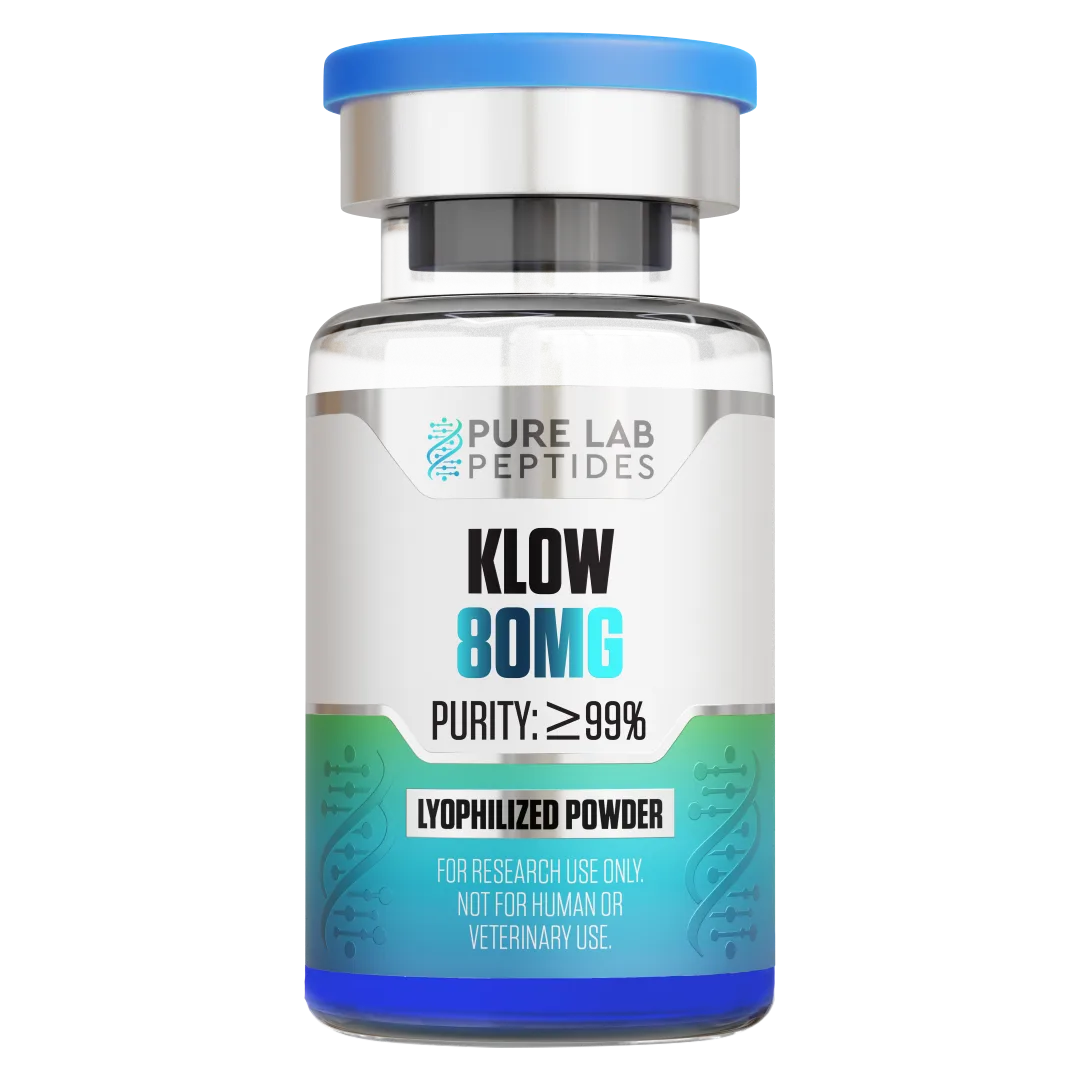
Recognizing this distinction is significant, and understanding the specific regulatory landscape is advisable before initiating any peptide-related research. Due to the limited nature of human research on MOTS-c — a comprehensive profile of side effects remains unestablished, unlike more thoroughly examined compounds. Some researchers are looking into “stacking”, the practice of using multiple peptides together — based on the belief that these compounds target different systems, potentially facilitating a broader approach depending on research goals. MOTS-c is frequently associated with other well-known peptides; however, it is crucial to comprehend that these compounds operate through significantly different mechanisms.